Oven and range repair in Caldwell that lights on the first click
A burner in Caldwell that sparks and will not catch, an oven stalled at three hundred, one cold zone on a glass top, a yellow flame sooting your pans.
$99 to diagnose — folded into the repair once you say yesON THE TRUCK Gas, propane and electric12 MIN from Davis Ave · the drive never shows on the invoice
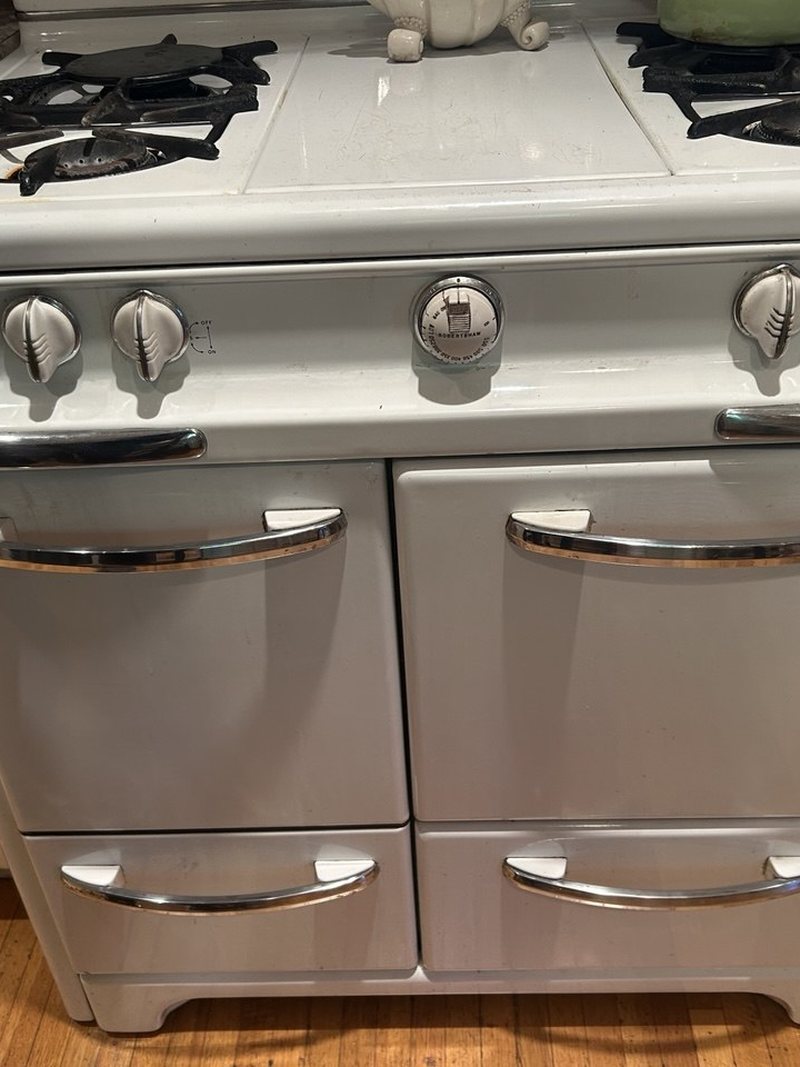
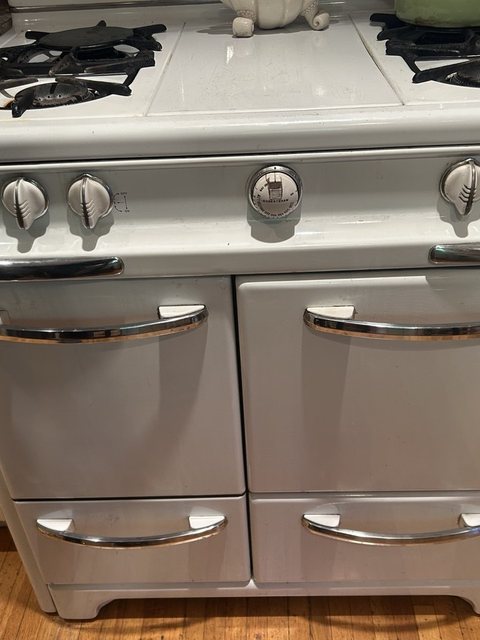
Caldwell cooks on two fuels. Inside city limits Intermountain Gas runs down most streets, so the 1910s to 1950s houses near downtown and the College of Idaho hold a lot of gas ranges, some of them older than the people using them. Out on the Sunnyslope bench and the orchard roads to the southwest, the tank in the yard is propane, and a range that left a Nampa showroom jetted for natural gas burns yellow out there and blackens every pan until its orifices are swapped. The subdivisions off Ustick and Middleton Rd are the third kitchen: builder-package electric ranges with glass tops, and an occasional induction unit added by the second owner.
The calls sort by fuel. On gas, the oven igniter ages until it glows orange as ever but pulls fewer amps than the valve is waiting for, so the oven preheats forever and settles at two hundred. Surface burners click without lighting when a spill has flooded the spark electrode or field dust, which blows all summer, has packed the ports. On electric, a bake element quits with a flash and a pop at one blistered spot, a radiant element fails on one side, and after a brownout during a July storm a control board comes back showing an F-code it refuses to drop. Each of those has a meter reading behind it, and a part on the truck for most.
What the symptom usually means
Oven will not reach temperature
Gas: a tired igniter that glows but cannot pull the amps the safety valve is waiting for, so the oven lights late or never. Electric: a bake element gone open, or a sensor reading high and shutting the heat off early. The igniter’s current, each element’s resistance and the sensor’s resistance all go on the meter, and whichever reads wrong is the part.
Burner clicks, no flame
Either the spark electrode is wet or cracked, the burner cap sits off-center, or the ports are choked with grease and field dust. Now and then one position on the spark module has died. The burner gets cleaned and the cap reseated, each electrode is tested for spark, and the electrode or module goes in as the test shows.
Yellow, sooty flame
Wrong fuel setup or blocked air. A range on propane up on the bench that was never converted, or a conversion done without the regulator and orifices changed, burns rich. We check the orifices, the regulator setting and the air shutters and put the flame back to blue on the fuel you actually have.
Glass top with a dead zone
One radiant element has opened, the limiter under it has failed, or the touch control never calls for that zone. The element gets metered from below and the control is checked for output to it. An element is a truck repair; a control board on a builder-package range gets a written figure, and you decide.
F-code on the display
The control has seen a sensor reading it does not trust, a door lock that never reported, or a relay that stuck. The code names the circuit, not the part. We meter the oven sensor and the lock, test the relay board and replace what fails rather than the whole panel on faith.
Oven heats, but bakes unevenly
A convection fan that no longer turns, a broil element used as a helper that has opened, or a door gasket letting heat pour out the top. We run a heat check with a probe at the center and the corners, then fix the part that is letting the oven drift.
The procedure
Readings from the igniter, the elements and the sensor come before any opinion
Flame color, orifice size and regulator confirmed on gas and on propane
The repair gets one price on paper, and the $99 diagnostic rides inside it
Igniters, bake elements, spark modules and sensors carried on the truck
Oven held at temperature before we leave, warranty written on the invoice
How oven and range repair in Caldwell runs
On a gas range the technician watches the oven light while a clamp meter reads the igniter. A healthy igniter reaches the current the valve wants in under a minute; a tired one glows the same orange and stalls short of it, and that one reading is the whole diagnosis. Surface burners get a spark check at each electrode. On electric, bake and broil elements each get a resistance reading, a thermometer at the center of the cavity is held up against the oven sensor’s reading, and the control is checked for output before anyone calls it bad. Propane on the bench adds one step: confirming the range is set up for the fuel in the tank. You get the answer at the stove, the part named and the price on paper.
Ranges, wall ovens and cooktops from Frigidaire, GE and Whirlpool, from Samsung and LG, from KitchenAid, Bosch and Electrolux, and from Maytag, Kenmore, Amana and Hotpoint are all regular work, including the glass-top electric packages in the newer houses off Ustick and the older gas ranges still cooking in the houses around the college. Rental owners near campus can approve a repair by text after seeing the photo; the invoice, warranty included, goes out by email. Gas and propane work ends with every joint we touched checked for leaks. The fuel does not change the pricing: $99 to diagnose, and that $99 rides inside the repair price once you say yes; every oven and range repair in Caldwell is priced after the meter, in writing.
Oven and range repair in Caldwell is priced once, in writing, after the meter. Say yes to that price and the $99 diagnostic is one of its parts; say no and the visit ends at $99. Request service →
Asked in Caldwell
My gas oven in Caldwell takes half an hour to preheat. Is that the igniter?
Almost certainly. The igniter still glows, which is why it fools people, but its current has fallen short of the valve’s threshold, so the oven is late to light and cycles poorly. We confirm it with a clamp meter and replace it the same visit on nearly every brand; the part is on the truck.
We are on propane on the Sunnyslope bench and the flames are yellow. Can you fix that?
Yes. A yellow, lazy flame with soot on the pans is a rich mixture, and on the bench that nearly always means the range is still jetted for natural gas or the conversion skipped the regulator. We swap the orifices, set the regulator for propane, bring the air up until the flame turns blue, then leak-check every fitting.
Will you work on a fifty-year-old gas range in an older Caldwell house?
We will look at it. Many old ranges have simple burners and a thermostat, and a cleaning or a thermocouple brings them back. Some parts are no longer made, and if that is the case you hear it at the diagnostic, for $99 and not a dollar past it. We do not talk anyone out of a stove that still works.
The range shows an F-code after the power flickered. What now?
Unplug it or flip the breaker for two minutes, then restore power. If the code comes back, the control has a real fault behind it: a sensor, a door lock, a relay or the board itself. We meter each in order. Summer thunderstorms and brownouts in Caldwell send us a handful of these every year.
Do you replace glass cooktop elements or the whole top?
Elements. A dead zone on a glass top is usually one radiant element or its limiter, and both are replaced from underneath without disturbing the glass. If the glass itself is cracked, that is a different repair and a different written number, and on some builder-package ranges it is a replacement conversation.
Ovens, ranges and cooktops in Caldwell: get a window.
The phone is quicker; the form lands on the same desk. Both get you a text with a window, and until a technician has had a meter on the machine the only figure anyone quotes is $99.
Window texted to you; the technician will call if you would rather talk
$99 buys the meter reading and the diagnosis — no money before that
The repair as one written figure, $99 folded in
Warranty term printed on the invoice
How a visit runs
Four steps, and no step five on the invoice
1
Window
Ring the shop or fill in the form; dispatch answers with a window, and a text follows as the truck pulls off Davis Ave — first stops go to the Boise commuters, Saturday mornings to everyone else.
2
Meter
Measurements come before opinions: amps at the compressor, degrees on the shelf, ohms across the element. The failed part gets its everyday name from the technician, who then writes the repair as a single figure, $99 folded in.
3
Part
The shelves on the truck hold what this valley wears out — inlet valves, defrost heaters, heating elements, igniters, drain pumps, rollers. When something must be ordered, the return trip happens on our calendar and the figure you approved stands.
4
Proof
The machine runs a whole cycle while you watch, panels and floor go back the way they were, and the invoice that reaches your email carries the warranty term.
Ovens, ranges and cooktops in Caldwell — one written number, fixed once.
$99 puts a meter on the machine. The repair goes on the ticket as one figure with that $99 inside it, the part is usually riding in the truck, and the invoice states the warranty term. Parma pays what Davis Ave pays.