Ovens, ranges & cooktops · gas, propane, electric · Nampa
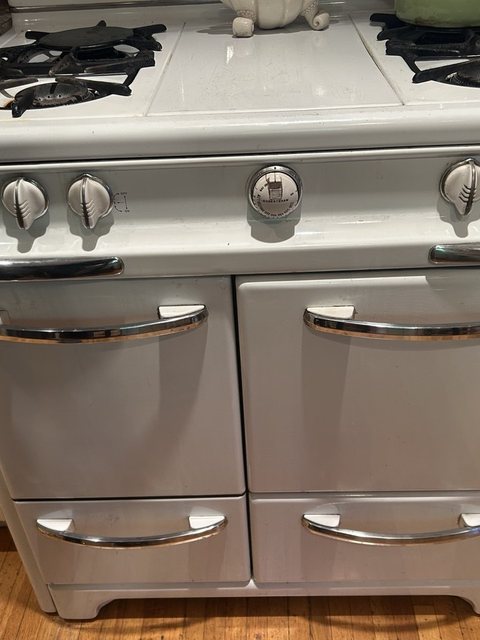
Oven and range repair in Nampa, gas or electric
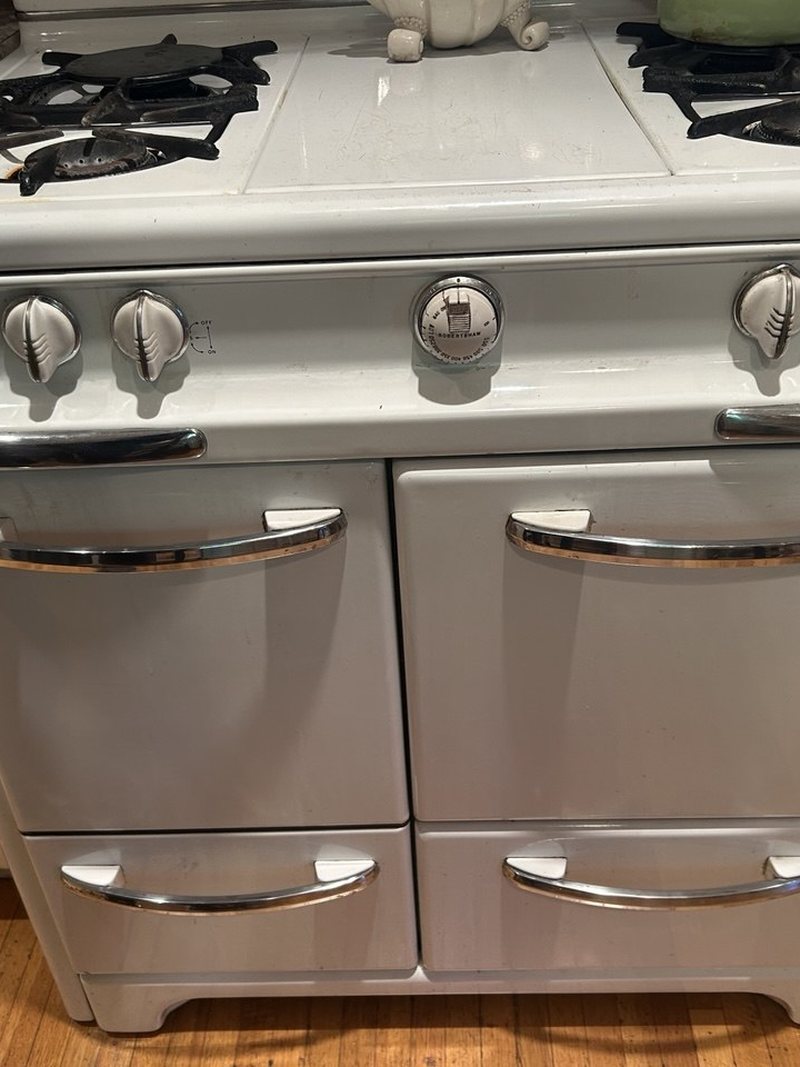
A burner that sparks and stays dark, an oven set to 350 that bakes at 300, a code on the panel: oven and range repair in Nampa puts a meter on the igniter or the element first.
$99 to diagnose — folded into the repair once you say yesON THE TRUCK Igniters and bake elements on the truckTODAY a warm refrigerator reported before noon jumps the line
Inside Nampa, Caldwell, Middleton and Kuna the range runs on Intermountain Gas or on a 240V circuit, and most calls are a plain igniter or element. Past the city meters it changes. Melba, Marsing, Homedale, Wilder, Parma and the Sunnyslope bench cook on propane from a tank by the shed, and a range converted in a hurry burns yellow, soots the bottoms of the pans and heats slow. The truck leaves Davis Ave with parts for both. The route runs the NNU blocks and the downtown grid, then North Nampa off Garrity Blvd, Greenhurst Rd toward the lake, and the highways: 45 south, 55 west, 20-26 and 95 out to Parma.
What fails is mostly wear and dust. A gas oven igniter loses strength over the years until it glows without ever reaching the current that lets the valve open, and the oven preheats for half an hour and stays cold. Surface burner ports plug with grease and field dust until the flame lifts and the spark snaps away without lighting anything. Electric ranges lose their bake element to one glowing spot and a sharp pop, glass-top radiant elements crack, and the summer thunderstorm season on Idaho Power lines leaves control boards showing F-codes in kitchens from Middleton to Kuna. A real example: a builder-package GE range in a 2018 house off Can-Ada Rd, oven dead, igniter drawing well below what the valve needs.
What the range symptom usually means
Gas oven will not heat, igniter glows or does not
A weak igniter glows orange yet never reaches the current the safety valve is waiting for. A clamp around the igniter lead shows the draw; below spec, the igniter is replaced. Should the draw be fine while the valve stays shut, the valve is the part. Both ride on the truck.
Surface burner clicks and will not light
Grease and dust in the burner ports, a wet or cracked spark electrode, or a spark module with one dead output. Ports get cleaned, the electrode is dried and tested, the module is metered. A burner that lights yellow and soots pans on propane points at the orifice or the air shutter.
Electric oven runs cold or takes forever to preheat
One open spot on the bake element, a broil element doing all the work, or a temperature sensor off its curve. Both elements and the sensor go on the meter, then the real oven temperature is read against the display. A sensor twenty degrees off is a common finding on ten-year-old ranges.
Glass-top burner dead or only heating on high
The radiant element beneath the glass has failed open, the limiter has quit or the infinite switch has burned. We meter the element at its terminals and the switch across its contacts. On induction tops it is usually a board, and we say so before opening one up.
F-code, beeping, or the display is dead
F-codes on GE, Whirlpool and Frigidaire ranges point toward the oven sensor, the lock, or the board itself. The code is read and cleared, then the sensor and lock are metered before the board is blamed. A dead display after a storm is checked for supply voltage at the terminal block first.
Door locked shut after self-clean
Usually the lock motor or its switch gave out partway through a self-clean run on a hot August afternoon. We get the door open without forcing it, put the motor and switch on the meter, and fit the new assembly. Self-clean in a heat wave is hard on thermostats and boards, and we say so.
What happens at the range
Igniter amp draw or element resistance read with a meter before any opinion
Oven temperature measured against the display, not taken on faith
One repair figure on paper, and the $99 already sits inside it
Common-brand igniters, elements, sensors and spark modules on board
Bake and broil proven at temperature, then the written warranty on the invoice
Oven and range repair in Nampa, how the visit runs
The technician starts by watching the range do what you described. On gas, the burners are lit one by one and the oven is set to heat while the igniter is watched and clamped; a good igniter pulls its rated current quickly and the valve opens with a soft whump. On electric, the elements get a cold resistance reading, then the oven is set and a probe thermometer records the real climb. Codes are pulled from the board and cleared, and the sensor is metered at the connector. Propane units get the flame color checked at every burner. Once the failed part has a plain-English name, the repair has one written price and the choice is yours.
We service Whirlpool, GE and Frigidaire, the Maytag and KitchenAid lines, Samsung and LG, Bosch and Electrolux, and Amana, Kenmore and Hotpoint ranges, plus the wall ovens and cooktops in remodeled kitchens along the lake and in Middleton. Rental ranges near NNU and in the farm-labor housing around Wilder and Parma get the owner’s approval by text, a photo of the part attached. If a range was converted to propane badly we say so and correct it where the parts allow. Gas lines and tanks are not our work; that stays with the gas company. Each range repair gets its written price after the $99 diagnostic, with the $99 folded into the price you approve.
Oven and range repair in Nampa and Canyon County gets its price after the $99 diagnostic, in writing, and once you approve, the $99 is already a piece of it. Request service →
Asked in Nampa & Canyon County
My gas oven in Nampa takes half an hour to warm up. Is it the igniter?
Most of the time, yes. The igniter has weakened, so reaching the current that opens the valve takes it longer every month, and soon it will stop getting there. One reading on the meter confirms it, and the new igniter goes in that visit.
Do you work on propane ranges out in Melba, Marsing and Wilder?
Yes. Nothing about the parts changes; what differs is the orifice and the regulator setting. A range that burns yellow or soots the pans was converted wrong, and we correct what can be corrected at the appliance. The tank and the line belong to your propane supplier.
Can a range be repaired after a power surge from a summer storm?
Often. A storm on the Idaho Power grid usually takes out the control board or, on some ranges, the relay board behind it, and leaves the rest alone. We confirm the supply at the terminal block, check the board for a burned trace, and price the board in writing. A surge protector afterward is worth having.
Is a Canyon County wall oven fixed the same way as a range?
Yes, with more screws. A wall oven has to be pulled from its cabinet before the element, sensor or board can be reached, and double ovens can take two people. Tell the dispatcher what you have so the visit is scheduled long enough to finish.
What do I pay if my range turns out to be past saving?
$99. That is the diagnostic, and it stands on its own when you decline the written repair. Approve instead, and that $99 is already one piece of the repair price. Either way you know which part failed and whether the range has another few years in it.
Ovens, ranges and cooktops in Nampa and Canyon County: get a window.
The phone is quicker; the form lands on the same desk. Both get you a text with a window, and until a technician has had a meter on the machine the only figure anyone quotes is $99.
Window texted to you; the technician will call if you would rather talk
$99 buys the meter reading and the diagnosis — no money before that
The repair as one written figure, $99 folded in
Warranty term printed on the invoice
How a visit runs
Four steps, and no step five on the invoice
1
Window
Ring the shop or fill in the form; dispatch answers with a window, and a text follows as the truck pulls off Davis Ave — first stops go to the Boise commuters, Saturday mornings to everyone else.
2
Meter
Measurements come before opinions: amps at the compressor, degrees on the shelf, ohms across the element. The failed part gets its everyday name from the technician, who then writes the repair as a single figure, $99 folded in.
3
Part
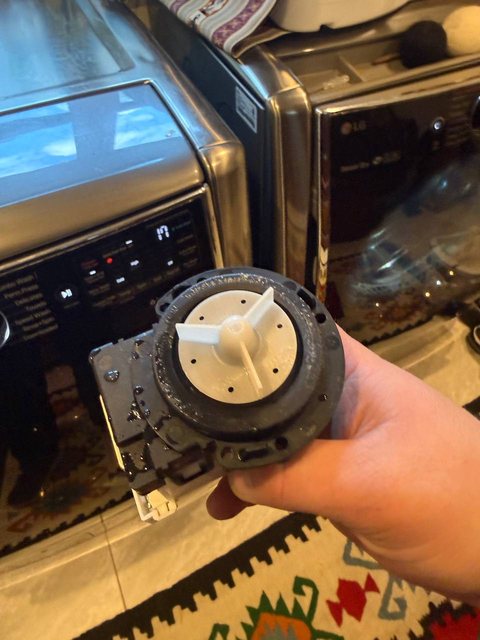
The shelves on the truck hold what this valley wears out — inlet valves, defrost heaters, heating elements, igniters, drain pumps, rollers. When something must be ordered, the return trip happens on our calendar and the figure you approved stands.
4
Proof
The machine runs a whole cycle while you watch, panels and floor go back the way they were, and the invoice that reaches your email carries the warranty term.
Ovens, ranges and cooktops in Nampa and Canyon County — one written number, fixed once.
$99 puts a meter on the machine. The repair goes on the ticket as one figure with that $99 inside it, the part is usually riding in the truck, and the invoice states the warranty term. Parma pays what Davis Ave pays.